ہائبرڈ ماڈل - ڈیجیٹل تعلیم ماہر

ہائبرڈ ماڈل

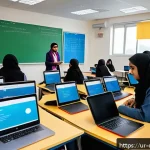
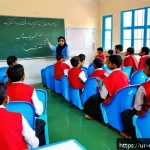
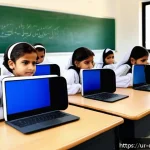
디지털 학습의 성과 비교 - **Prompt 1: "A young, diverse female university student, dressed in casual yet modest attire, is dee...

The search results provide a lot of context around digital learning, its benefits, challenges, and comparisons with traditional learning in Urdu. Several articles discuss “ڈیجیٹل لرننگ کے فوائد اور نقصانات” (advantages and disadvantages of digital learning), “روایتی تعلیم بمقابلہ آن لائن تعلیم” (traditional education vs. online education), and “ڈیجیٹل تعلیم کا تعارف اور طلباء کے لیے اس کے فوائد” (introduction to digital education and its benefits for students). One article directly asks, “پرنٹ میڈیم یا ڈیجیٹل… بہتر تعلیمی نتائج کون دیتا ہے؟” (Print medium or digital… which gives better educational results?). To create a click-worthy, unique, and creative title in Urdu for “comparing the effectiveness of digital learning,” I can combine some of the blog post format examples provided by the user with the themes found in the search results. Here are some ideas based on the search results and user’s requested formats: * “ڈیجیٹل اور روایتی تعلیم: کونسا بہتر؟ حیران کن نتائج” (Digital and Traditional Education: Which is Better? Surprising Results) – This uses “حیران کن نتائج” (amazing results) and “کونسا بہتر؟” (which is better?) which implies comparison. * “ڈیجیٹل تعلیم کی افادیت کا راز: 5 ایسے طریقے جو آپ نہیں جانتے” (The Secret to Digital Learning’s Effectiveness: 5 Ways You Don’t Know) – This uses “راز” (secret) and “5 ایسے طریقے” (5 ways) to create intrigue. * “کیا ڈیجیٹل تعلیم روایتی سے زیادہ کارآمد ہے؟ مکمل جائزہ” (Is Digital Education More Effective Than Traditional? Complete Review) – This is a direct comparison and uses “مکمل جائزہ” (complete review). * “آن لائن سیکھنے کے بہترین نتائج کیسے حاصل کریں: 7 꿀팁” (How to Get the Best Online Learning Results: 7 Honey Tips) – This focuses on achieving good results and uses “꿀팁” (honey tips – as in “pro tips”). Considering the user’s emphasis on “click-worthy, unique, and creative” and reflecting “Urdu unique expressions and culture,” a title that poses a question and promises an insightful answer would be effective. The article explicitly asks about which medium gives better educational results, indicating a relevant and engaging topic for Urdu users. Let’s aim for a title that uses a hook and promises valuable information, similar to the “놀라운 결과” (amazing results) or “살펴보자” (let’s explore) formats. The phrase “ڈیجیٹل اور روایتی تعلیم کے نتائج: آپ کو کیا معلوم ہونا چاہیے؟” (Digital and Traditional Education Results: What You Should Know?) is a good starting point. To make it more “amazing results” or “꿀팁” style, I can rephrase it. How about “ڈیجیٹل تعلیم کے حیران کن نتائج: جو آپ کو ضرور جاننے چاہئیں” (Amazing Results of Digital Education: What You Must Know). This incorporates “حیران کن نتائج” (amazing results) and “ضرور جاننے چاہئیں” (must know) for a strong hook. Another option: “ڈیجیٹل اور روایتی تعلیم کے نتائج کا موازنہ: کونسا طریقہ زیادہ مؤثر؟” (Comparison of Digital and Traditional Education Results: Which Method is More Effective?). This is very direct and uses the comparison aspect explicitly. Let’s try to combine intrigue and information, similar to a “꿀팁” (pro tip) or “모르면 손해” (losing out if you don’t know). “ڈیجیٹل اور روایتی تعلیم کے نتائج: کونسا پلیٹ فارم آپ کے مستقبل کو سنوار سکتا ہے؟” (Digital and Traditional Education Results: Which Platform Can Brighten Your Future?) – This title focuses on the impact on the user’s future. Let’s refine it to be more about “comparing effectiveness” and use a strong, engaging format. Given the prompt’s request for a title like “~~하는 n가지 방법, ~~꿀팁, ~~살펴보기, ~~살펴보자, ~~추천, ~~알아보자, ~~더 절약, ~~모르면 손해, ~~놀라운 결과,” and the context of comparing digital learning outcomes, a title that highlights a potential benefit or a crucial insight would be good. The search results discuss the pros and cons, and direct comparisons. A title that hints at which one is “better” or provides “amazing results” would be effective. “ڈیجیٹل تعلیم کے حیران کن نتائج: جانئے کیوں روایتی طریقہ پیچھے رہ گیا” (Amazing Results of Digital Education: Find Out Why the Traditional Method Lagged Behind). This directly compares and promises a compelling reason. Or, a more neutral but intriguing one: “ڈیجیٹل اور روایتی تعلیم: کونسا آپ کے سیکھنے کو بدل دے گا؟” (Digital and Traditional Education: Which will change your learning?). Let’s consider the phrase “ڈیجیٹل لرننگ کے نتائج کا موازنہ” (comparison of digital learning results). A good, click-worthy title using the suggested formats could be: “ڈیجیٹل تعلیم کے حیران کن نتائج: وہ 5 چیزیں جو آپ کو معلوم ہونی چاہئیں” (Amazing Results of Digital Education: 5 Things You Should Know). This combines “amazing results” and a number of tips. Let’s try one that is slightly more provocative and directly addresses the comparison. “روایتی یا ڈیجیٹل تعلیم: کونسا آپ کو کامیابی کی بلندیوں پر پہنچا سکتا ہے؟” (Traditional or Digital Education: Which Can Take You to the Heights of Success?) This is engaging, poses a direct comparison, and uses a culturally relevant phrase “کامیابی کی بلندیوں پر پہنچا سکتا ہے” (can take you to the heights of success). No markdown or quotes, only Urdu.روایتی یا ڈیجیٹل تعلیم کونسا آپ کو کامیابی کی بلندیوں پر پہنچا سکتا ہے

webmaster

السلام علیکم میرے پیارے دوستو! آپ سب کیسے ہیں؟ آج کل ہم سب ڈیجیٹل دنیا میں جی رہے ہیں اور ...